Core geometry · cover response · surface control

Hammer Bowling Balls Engineered as Complete Motion Systems

Match reactive resin coverstock, differential RG and surface preparation to lane volume, transition shape and the player's release—not to a generic hook label.

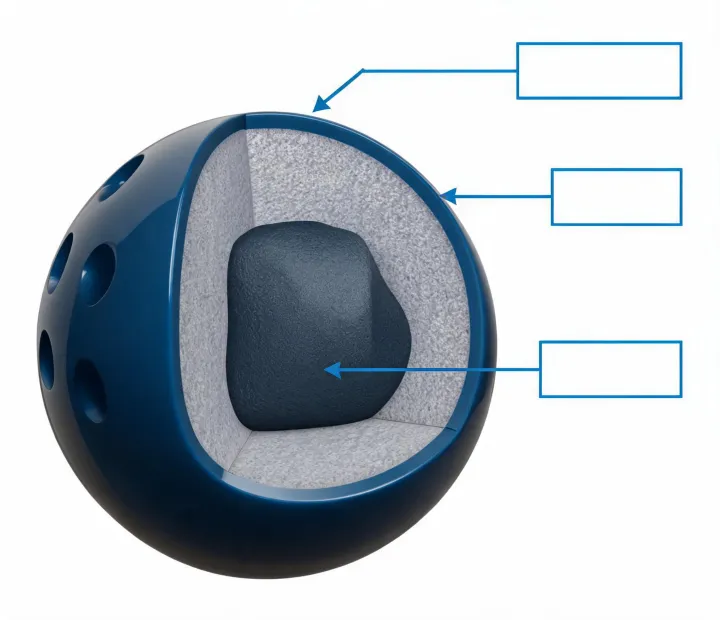
Hammer Bowling ball motion laboratory
Bowling ball core and coverstock cutaway
A three-variable selection method

Read the lane before selecting the shell

  • Cover responseSolid, pearl, hybrid and urethane-like options trade early traction against retained energy. Cleaner is not automatically longer on every surface.
  • Core dynamicsRG influences rev timing; differential and intermediate differential influence flare potential and directional response.
  • Surface stateAbrasion level can dominate box-finish behavior. Record the pad, pressure, passes and final cleaning method before comparing reactions.
Selection record

Specifications need test conditions

Record ball weight from 12–16 lb, published RG, total differential and intermediate differential where applicable. Layout and drilling alter the finished mass properties.

State the abrasive grit sequence, lane surface, oil volume, pattern length and transition stage. A comparison without these conditions is not repeatable.

Capture speed at release, rev rate, axis rotation, axis tilt and PAP. Observe breakpoint location, pocket entry and continuation over at least six shots.
Application environments

One motion system, four operating contexts

01

Pro Shops

Build a documented arsenal gap plan, drill from measured PAP and retain a surface-service record.

02

Bowling Centers

Align demo inventory with common house patterns, lane surface condition and customer skill bands.

03

Competitive Programs

Plan distinct shapes for fresh, transition and burn while limiting overlap between pieces.

04

Training Facilities

Pair ball-motion observation with launch metrics so athletes can reproduce the test.

Evidence first, marks in context

USBC approval status: verify by modelPublished mass-property sheetDrilling and balance checkSurface-process log

Approval and specification status can vary by model, weight and release. Confirm the current manufacturer's sheet and applicable competition rules before drilling.

12–16 lbtypical performance range
4 inputsspeed, revs, rotation, tilt
6 shotsminimum observation set
1 logsurface and layout baseline
Bring the measurements

Build a ball plan that can be checked on lane

Share your release data, current arsenal, common lane condition and target shape. The response will identify information gaps before it proposes a family.

By submitting, you agree to the Privacy Policy. Do not include sensitive personal information.